
Our Story
GOAL was founded to protect, support, and make LGBTQIA+ people working in law enforcement visible—at a time when visibility came at a cost.
-
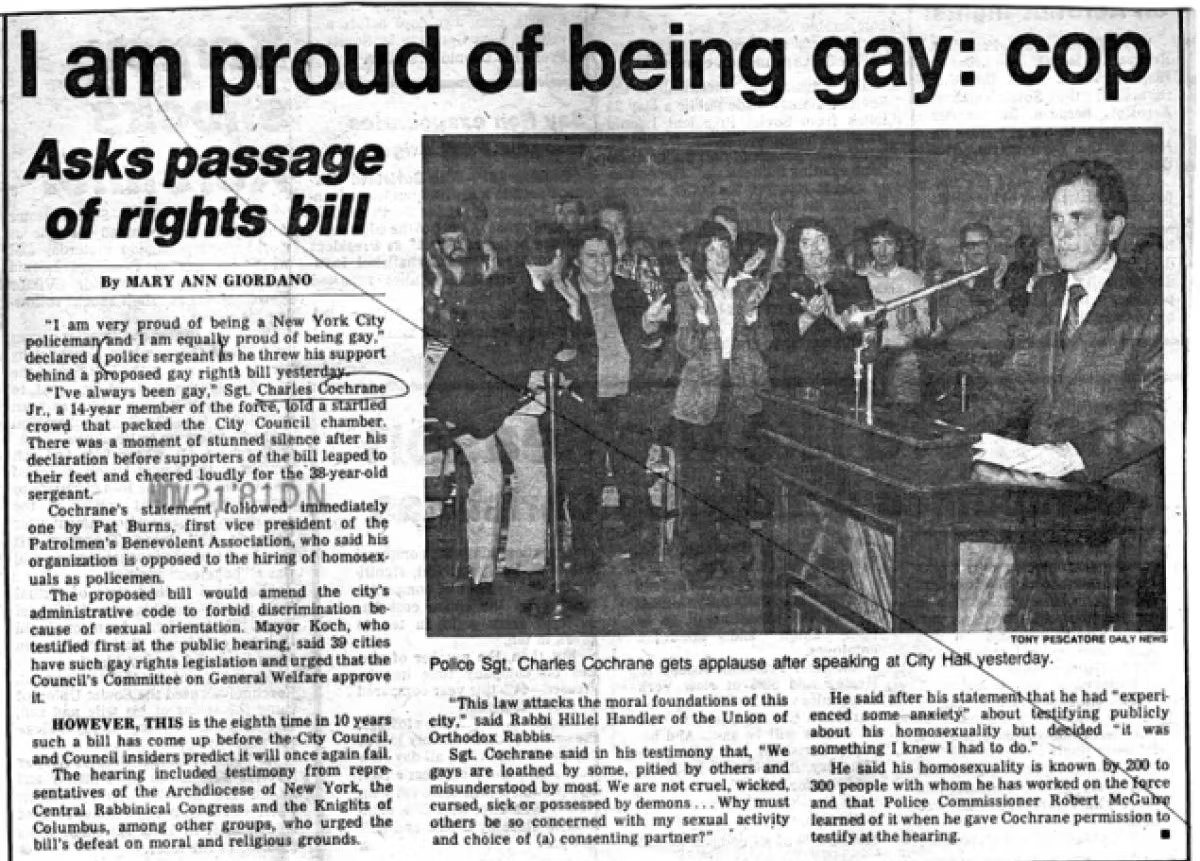
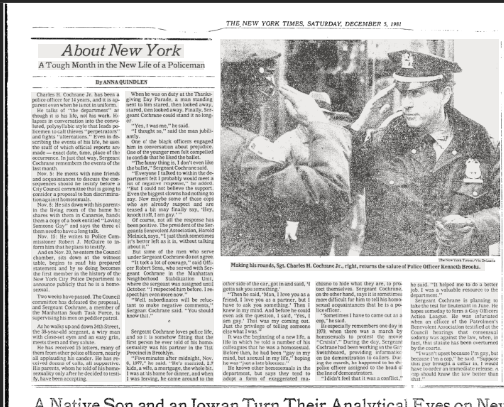
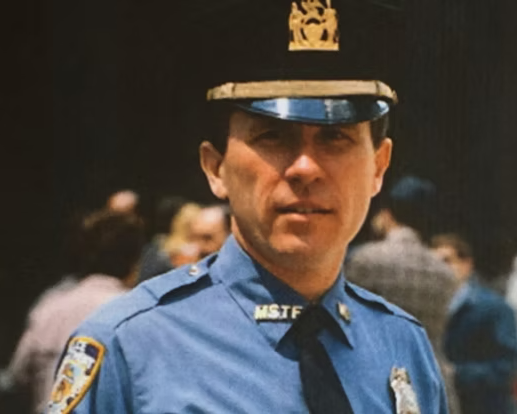
GOAL was founded in New York City in 1982 by New York City Police Sergeant Charles H. Cochrane Jr.
At the time, being openly gay in law enforcement could mean harassment, stalled careers, or termination. There were few protections and little recourse. Officers faced a choice between honesty and survival.
GOAL was created to change that reality—not by standing outside the profession, but by organizing within it.
From the beginning, GOAL served as a source of mutual support, professional advocacy, and institutional pressure for fairness. It gave LGBTQIA+ officers a way to stand together when standing alone was not an option.
-
Over the decades, laws changed. Policies improved. Visibility increased.
But the need for GOAL did not disappear.
Today, GOAL represents LGBTQIA+ law enforcement officers and criminal justice professionals across ranks, assignments, and agencies. Our members are active, retired, and civilian professionals who work throughout the justice system.
Some are out. Some are not.
All deserve dignity, safety, and equal opportunity at work. -
GOAL’s purpose has remained steady:
Supporting members navigating discrimination, bias, or isolation
Advocating for fair treatment and advancement within institutions
Preserving confidentiality when it matters most
Representing LGBTQIA+ officers publicly—without erasing the complexity of the job
We don’t sanitize the profession.
We don’t abandon it either.